Welcome to the Long-Term Care Toolkit
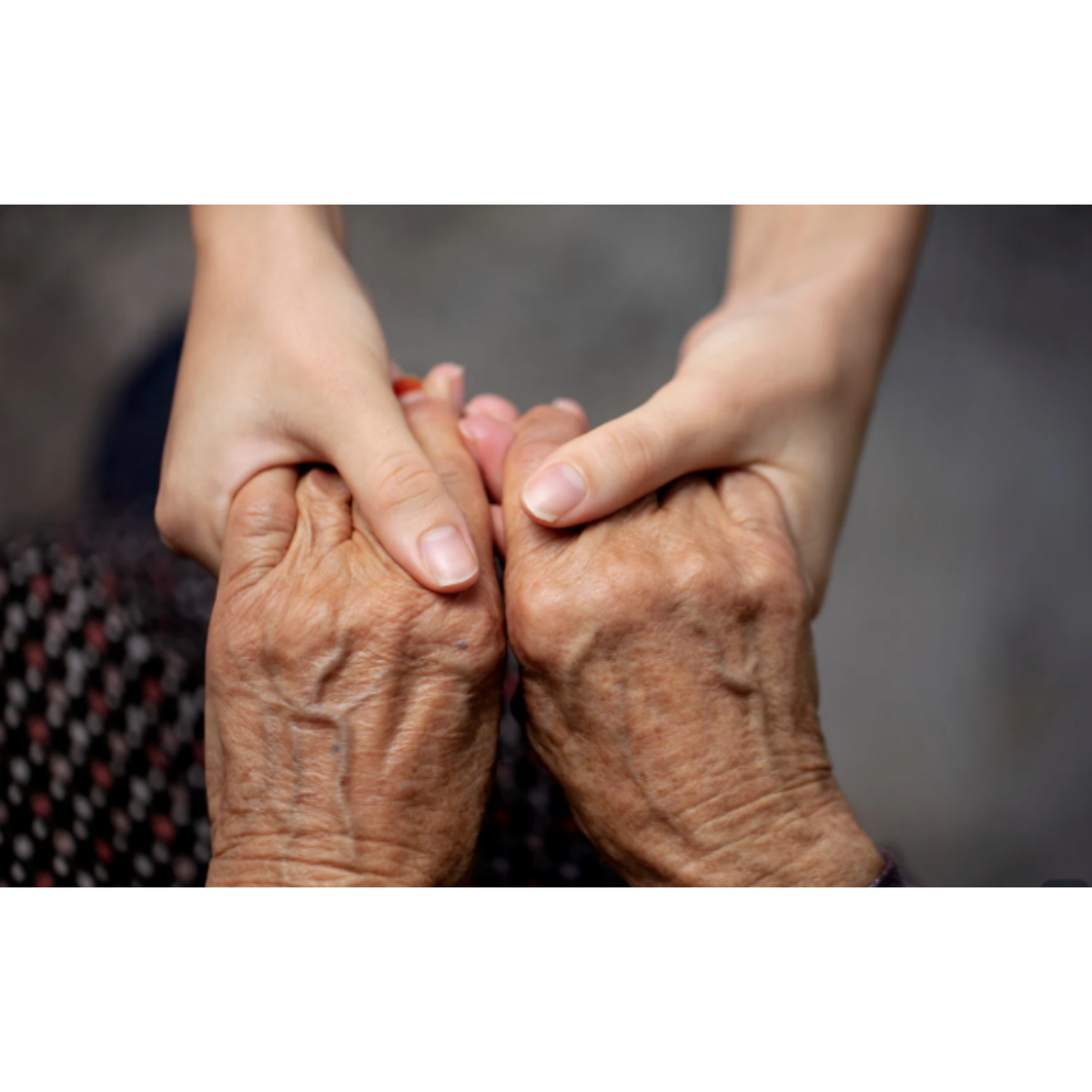
This toolkit is part of a research project that focuses on building psychological safety in long term care and strengthening equity and trauma informed organizational capacity. Our team has developed a multi-level, intersectional inventory of high-quality resources.
Whether you’re a registered nurse, nurse practitioner, registered practical nurse, personal support worker, trainee, healthcare leader/manager/supervisor, director, administrator or HR specialist in long term care, there is something here for you.
Upon entering the site, you can choose resources based on the focus of the intervention, sector, format, or location. We want to create a community of support for long term care so if you try a resource and like it, feel free to click on the logo and leave a comment.


Team Huddle
A structured, brief (15-30 min) routine/team building actvity (daily or multiple times a day), face-to-face communication of a team’s membership that can build team resilience through celebrating wins and providing support for challenges.

Getting Rid of Stupid Stuff
In its program “Getting Rid of Stupid Stuff,” Hawai’i Pacific Health (HPH), a not-for-profit health care system invites clinical staff who use its electronic health record system to identify documentation and other practice requirements that should be eliminated, changed or modified.

Caring for Healthcare Workers - Assessment Tools
This free online resource will help identify key areas of strength and concern that influence the psychological health and safety in your healthcare organization.

Transforming Healthcare Organizations
The LEADS Framework can be used as a disciplined approach to change to create psychologically healthy workplaces. This document outlines how this disciplined approach to change can be utilized. Each step outlines the key questions that the leader-manager needs to ask and answer.

Trauma-Informed Toolkit
This toolkit aims to provide knowledge to service providers working with adults who have experienced or been affected by trauma. It will also help service providers and organizations to work from a trauma-informed perspective and develop trauma-informed relationships that cultivate safety, trust and compassion.

Trauma Informed Practice
This concise document shares information about trauma, it's impact, the principles of trauma informed practice along with trauma exposure response and the ABC model of clinician self-care.

Trauma-Informed Practice Guide
The Trauma-Informed Practice (TIP) Guide and TIP Organizational Checklist are intended to support the translation of trauma-informed principles into practice. Included are concrete strategies to guide the professional work of practitioners assisting clients with mental health and substance use (MHSU) concerns in British Columbia.

Wobble Room
A physical space for health workers to unwind and connect. It is open to all employees 24/7 to help release tension and recharge.

Healthy Nurse Healthy Nation
By focusing on six key domain areas of content — mental health, physical activity, nutrition, rest, quality of life, and safety — the Healthy Nurse, Healthy Nation program aims to holistically enhance and support all aspects of nurse well-being and wellness.

Establishing a Chief Wellness Officer Position
This toolkit advocates for the necessity for an organizational groundwork for wellness in the workplace. It reviews the purpose and role of the chief wellness officer and how it would benefit the organization.

Moral Stress Amongst Healthcare Workers During COVID-19: A Guide to Moral Injury
A practical resource for healthcare workers and organizations to better understand the range of moral emotions arising from the COVID-19 pandemic and to develop organizational and individual strategies to mitigate risks of lasting harm.

Time to Speak Up: A Graphical Depiction of Psychological Safety in Health Care Teams
An article that presents scenarios related to psychological safety in health-care teams, while illustrating barriers and modelling a culture where individuals feel at ease to share their thoughts and concerns.

Well-being Debriefings for Health Care Workers
A facilitator training manual that guides the delivery of informal, peer-facilitated, small-group meetings and gives health-care workers the chance to discuss the difficult nature of their work and the issues that negatively affect their resiliency.

TEND Toolkit
The TEND Toolkit is a searchable database of tools, strategies and education to support heping professionals working in complex workplaces.

W4H 2030 Seminar 1: Our Duty of Care: Protecting Mental Health and Preventing Burnout in Health and Care Workers
This seminar examines the prevalence of mental health issues and burnout among health and care workers, focusing on organisational and systemic drivers. We will explore how employers and health systems can address these issues and prioritise staff well-being, leading to improved retention and productivity.

Death Cafes for Prevention of Burnout
Informal discussions focusing on death, dying, loss, grief, and illness. They allow for reflection on distressing events and offer community and collaboration among hospital employees outside of work. With Covid-19 limiting social interactions and overloading of ICUs worldwide, their virtual administration provides an innovative strategy to mitigate burnout

The Dishing Doulas Podcast
Whether you are an end of life professional, a family caregiver, or you simply want to gain comfort with end of life matters, we are here to help expand your comfort with our shared mortality, end of life planning and all of the important conversations.

End of Life Conversations: Navigating Challenges and Family Roles
Developed in collaboration with the End of Life Doula Association of Canada (EOLDAC), this resource provides insights into common challenges surrounding end-of-life conversations and tips for having those discussions with your loved ones.

Understanding and Responding to Grief
These grief learning resources are for people working in long-term care settings. No matter your role, end-of-life, grief, and bereavement will be part of your working life. These modules will help increase your understanding about grief and confidence in supporting patients and their families.
Enhance your skills and confidence with expert-led online courses designed to help you provide exceptional care. Build valuable expertise applicable to home care, long-term care, and support care settings, and take the next step in your professional journey.